Prozori od Drvo Aluminijuma
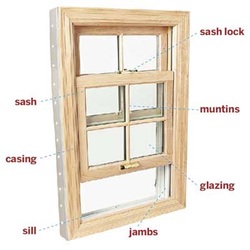
Dobra Stolarija se slabo moze pronaci po pravoj ceni.A to je nas cilj.Aluminijum drvena stolarija ne samo da je privlacna na pogled nego ima i vrlo izrazene izolatorne sposobnosti.Drvo se od pamtiveka koristi u izgradnji i to sa razlogom.Imajuci u vidu da se drvo upotrebljava od pocetka civilizacije,ono je odlican izbor za stolariju.Drvo je plemeniti materijal koji oplemenjuje vas dom i cini ga prijatnim za zivot.
Aluminijum sa spoljne strane stolarije sprecava degradaciju drveta usled vremenskih prilika.Dakle,ako trazite toplinu u vasem stanu,kvalitetnu izolaciju i dugovecnost odaberite prozori drvo aluminijum.Za kvalitetnu izolaciju su isto tako vazni i profili i stakla.Prozori se izradjuju u raznim kombinacijama a mogu biti dvoslojni i tri sloja.Kvalitetna stolarija vam smanjuje racune tako da vam ostaje vise novca za neke vaznije stvari.
Nova stolarija je u sustini investiciju koje se veoma brzo isplati tako da predstavlja dobru investiciju.Prozori moraju biti od kvalitetnih materijala a kvalitet se podrazumeva kod drvo aluminijum kombinacijom.Kako prozori tako i ulazna vrata vaseg doma se mogu izraditi u drvo aluminijum kombinaciji.Ako zelite klizna vrata,nema problema.Ova vrata se lako prave a daju mnogo koristi.Kada budete kupovali stolariju,odaberite najbolju,u zavisnosti vasim mogucnostima.Kako biste se bolje informisali o prednostima prozora,vrata i stolarije uopste,dodjite na stranu za detalje.
Aluminijum sa spoljne strane stolarije sprecava degradaciju drveta usled vremenskih prilika.Dakle,ako trazite toplinu u vasem stanu,kvalitetnu izolaciju i dugovecnost odaberite prozori drvo aluminijum.Za kvalitetnu izolaciju su isto tako vazni i profili i stakla.Prozori se izradjuju u raznim kombinacijama a mogu biti dvoslojni i tri sloja.Kvalitetna stolarija vam smanjuje racune tako da vam ostaje vise novca za neke vaznije stvari.
Nova stolarija je u sustini investiciju koje se veoma brzo isplati tako da predstavlja dobru investiciju.Prozori moraju biti od kvalitetnih materijala a kvalitet se podrazumeva kod drvo aluminijum kombinacijom.Kako prozori tako i ulazna vrata vaseg doma se mogu izraditi u drvo aluminijum kombinaciji.Ako zelite klizna vrata,nema problema.Ova vrata se lako prave a daju mnogo koristi.Kada budete kupovali stolariju,odaberite najbolju,u zavisnosti vasim mogucnostima.Kako biste se bolje informisali o prednostima prozora,vrata i stolarije uopste,dodjite na stranu za detalje.
